Pinch or +/- to zoom
Click a highlighted county to view details
Recent South Carolina Mugshots
James Fitts
Florence, South Carolina
Robert Ham
Florence, South Carolina
Kevin Rogers
Florence, South Carolina
Adonis Alvarado
Florence, South Carolina
Travis Cannon
Florence, South Carolina
Khouri Daniels
Florence, South Carolina
Martin Guzman
Florence, South Carolina
Laqueena Jenkins
Florence, South Carolina
Robert Morris
Florence, South Carolina
Neasia Smith
Florence, South Carolina
Laticja Eaddy
Florence, South Carolina
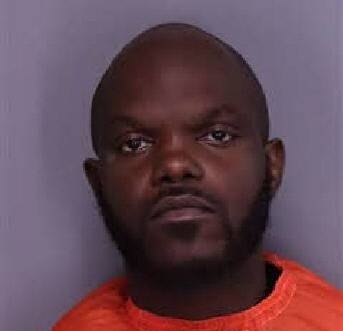
William Eaddy
Florence, South Carolina
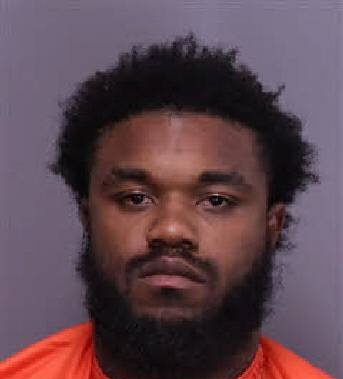
Marcus Bolton
Florence, South Carolina
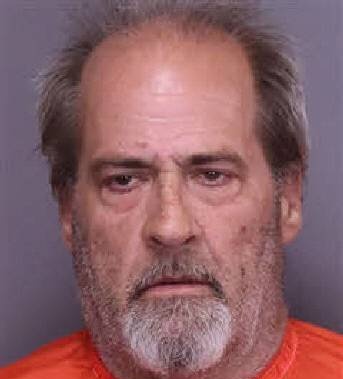
Glenn Stephens
Florence, South Carolina
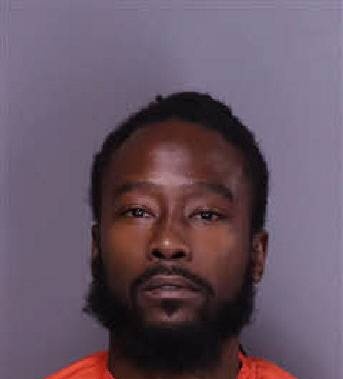
Andrew Vereen
Florence, South Carolina
Michael Swinton
Florence, South Carolina
Sanoz Scott
Florence, South Carolina
Austin Brunson
Florence, South Carolina
Tasha Bukton
Florence, South Carolina
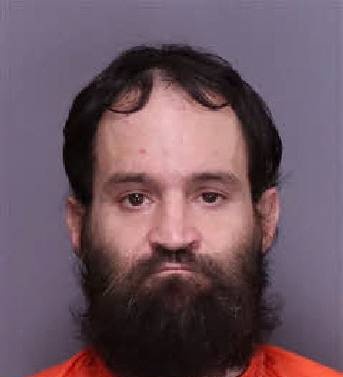
Aaron Castro
Florence, South Carolina
South Carolina Mugshots & Public Arrest Records

South Carolina State House in Columbia — completed in 1907, one of the last state capitols finished in the U.S.
Wikimedia Commons · CC BY-SA 3.0
South Carolina provides public access to arrest records under its Freedom of Information Act. With a population of approximately 5.4 million across 46 counties, the state processes tens of thousands of bookings annually through county detention centers from the large Al Cannon Detention Center in Charleston to small rural facilities in the Lowcountry.
South Carolina's Freedom of Information Act (FOIA), codified at S.C. Code Ann. § 30-4-10 et seq., guarantees public access to government records, including arrest records and booking photographs. The law declares that it is the policy of South Carolina that “free and open examination of public records is in the public interest” and that the provisions of the act should be liberally construed to carry out this purpose.
Under the FOIA, any person has the right to inspect or copy public records maintained by a public body. Arrest records, booking logs, incident reports, and booking photographs are all considered public records subject to disclosure. Agencies are required to respond to FOIA requests within 10 business days for records already in existence and within 15 business days for records that require compilation. Fees are limited to the actual cost of searching for and copying the records.
How Bookings Work in South Carolina
South Carolina's 46 counties each maintain their own detention facilities. The booking process follows a generally consistent procedure across the state:
- Arrest and transport — The arresting officer transports the individual to the county detention center. In South Carolina, officers from multiple agencies—including municipal police, county sheriff's deputies, and state highway patrol—bring arrestees to the same county facility.
- Bond hearing — South Carolina requires a bond hearing within 24 hours of arrest for most offenses. A magistrate or municipal judge reviews the charges and determines bond conditions. For certain violent offenses, only a circuit court judge may set bond.
- Intake processing — Standard intake includes identity verification, fingerprinting, booking photography, medical screening, and classification assessment. Booking data is entered into the county's jail management system and reported to the South Carolina Law Enforcement Division (SLED).
- General sessions court — Felony cases are presented to a grand jury and tried in the Court of General Sessions. South Carolina is one of the few states where the solicitor (district attorney) presents all felony cases to a grand jury for indictment.
Searching South Carolina Arrest Records
South Carolina offers several methods for accessing arrest and booking information:
- County detention center websites — Most of South Carolina's larger counties publish online inmate rosters showing current detainees with booking photos, charges, and bond amounts. These are typically free and updated regularly.
- SLED Criminal Records — The South Carolina Law Enforcement Division maintains the state's central criminal history repository. Name-based criminal record checks can be obtained through SLED for $25.
- SC Judicial Department — The South Carolina Judicial Department provides an online public index for court records, allowing searches of criminal case dockets across all counties.
- FOIA requests — Any person may submit a written FOIA request to a law enforcement agency or detention center for copies of arrest records, booking logs, and photographs.
Mugshot Removal and Expungement
South Carolina's expungement provisions are found in S.C. Code Ann. § 17-1-40 and § 17-22-910 et seq. Eligibility for expungement depends on the type of offense and its disposition. First-offense misdemeanors, charges that were dismissed or nolle prossed, and cases resulting in acquittal are generally eligible. Once an expungement order is granted, all agencies must destroy arrest records and booking photographs associated with the case.
South Carolina does not currently have a specific statute targeting for-profit mugshot publication websites. However, individuals whose records have been expunged have a legal basis to demand removal of booking photographs from third-party websites, as the underlying records have been ordered destroyed.
State Demographics and Growth
South Carolina has experienced significant population growth in recent years, particularly in the coastal and suburban areas around Charleston, Myrtle Beach, and Greenville-Spartanburg. The state's population of approximately 5.4 million is distributed unevenly across its 46 counties, with the majority concentrated in the urban crescent running from Greenville through Columbia to Charleston. Rural counties in the Pee Dee region and parts of the Midlands have seen slower growth or population declines.
Frequently Asked Questions
Sources & References
Data sourced from official government records, census data, and verified public sources.
Browse Other States
Explore mugshots and arrest records in other states