Pinch or +/- to zoom
Click a highlighted county to view details
Recent North Carolina Mugshots
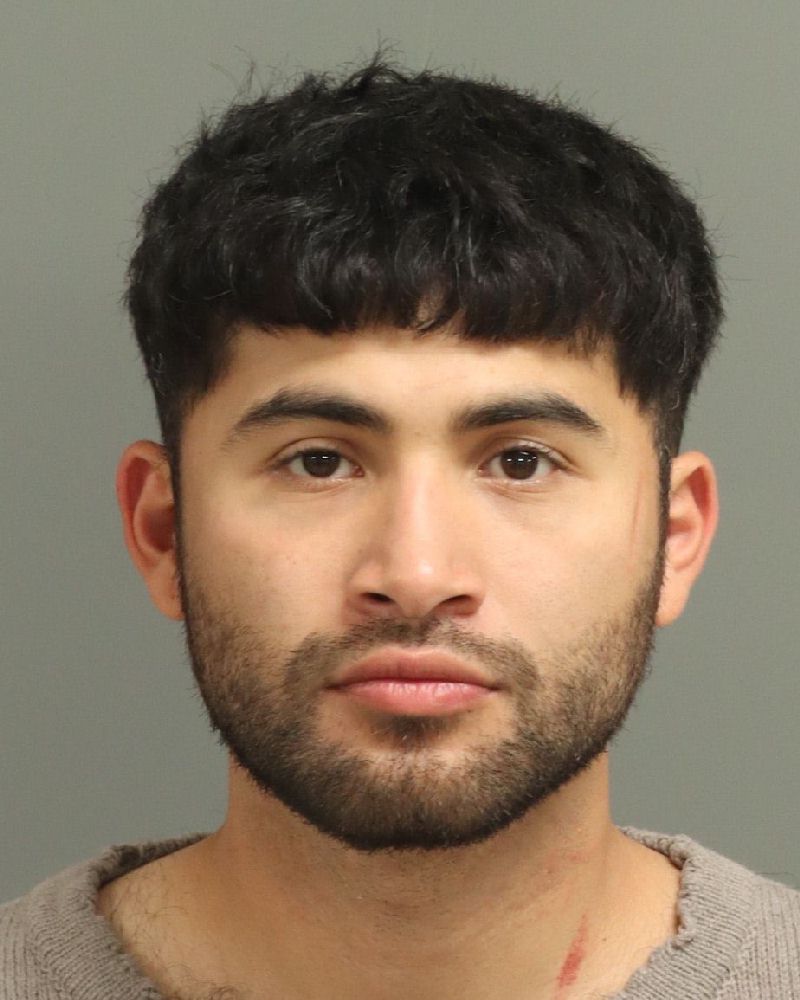
Christian Aaron Mazariegos-santo
Wake, North Carolina
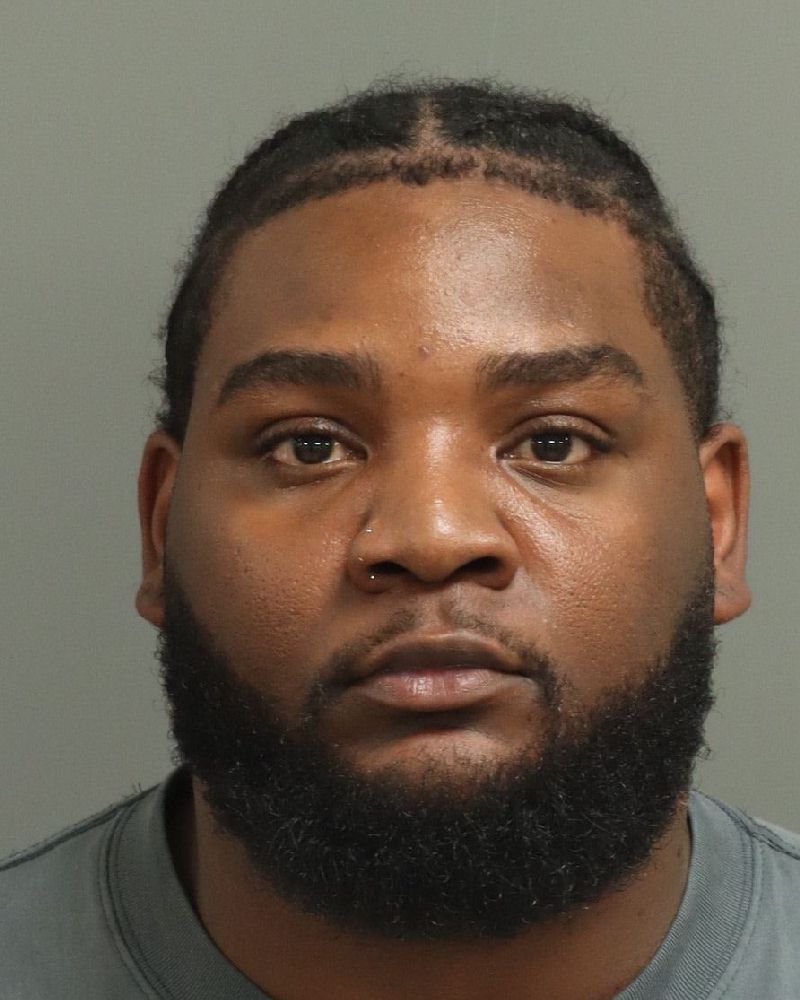
William Christopher Brown
Wake, North Carolina
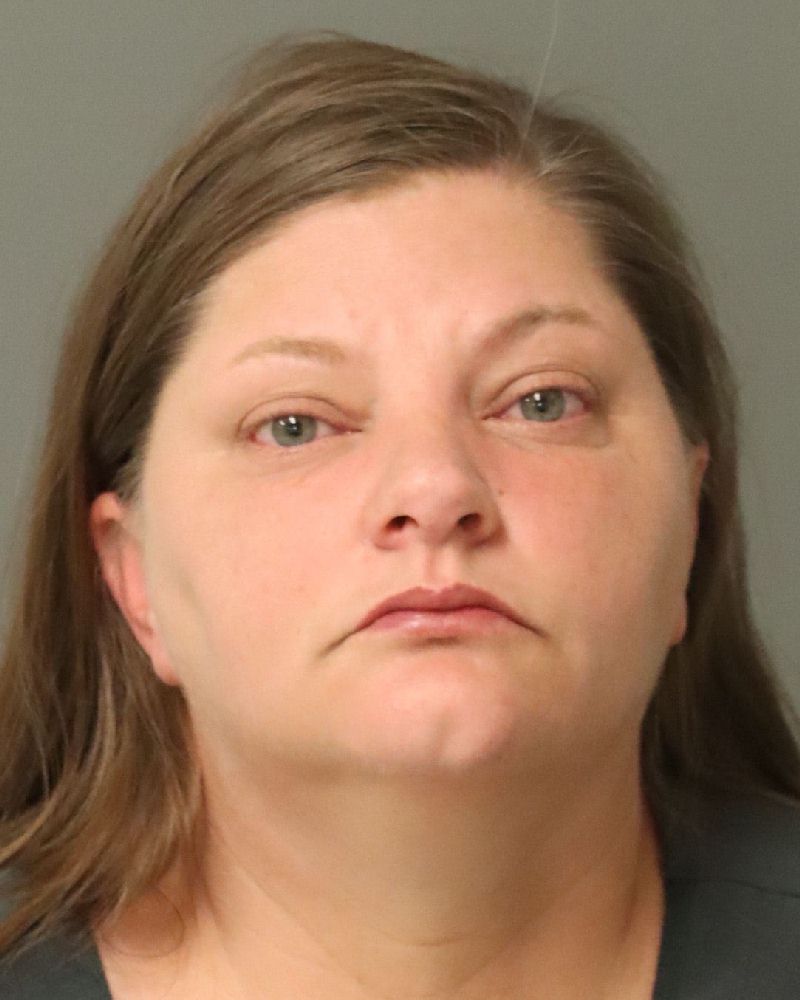
Jacqueline Suzann Wilson
Wake, North Carolina

Najiah Irene Williams
Wake, North Carolina
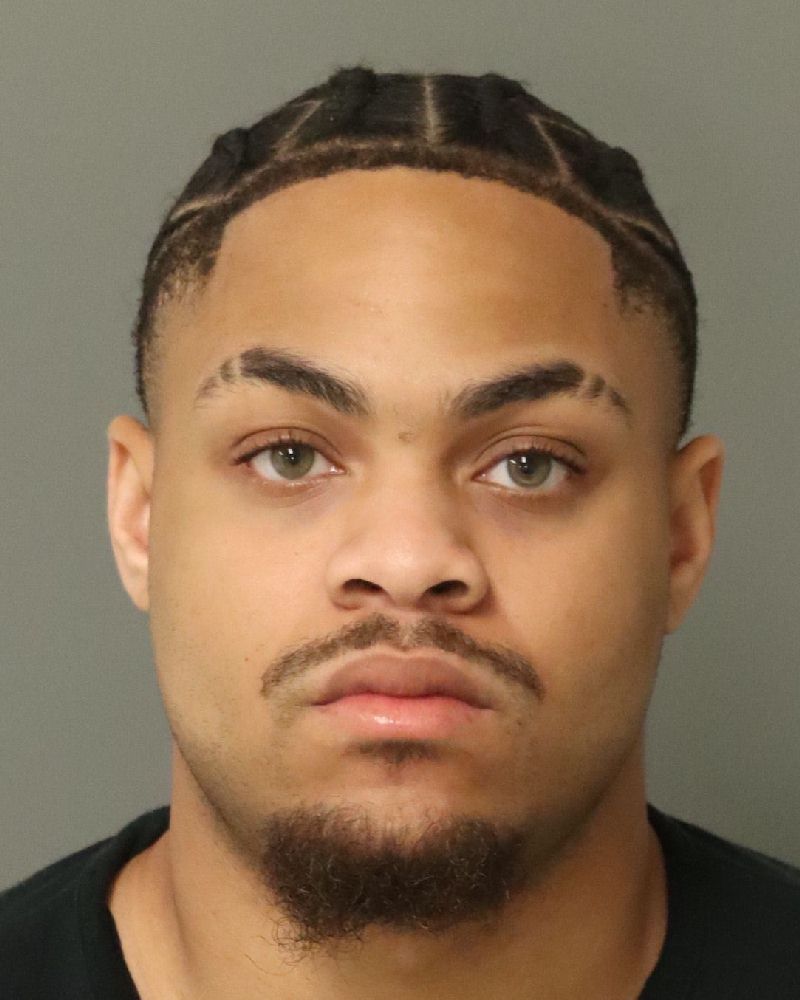
Xavien Dajun Jatrel Clay
Wake, North Carolina
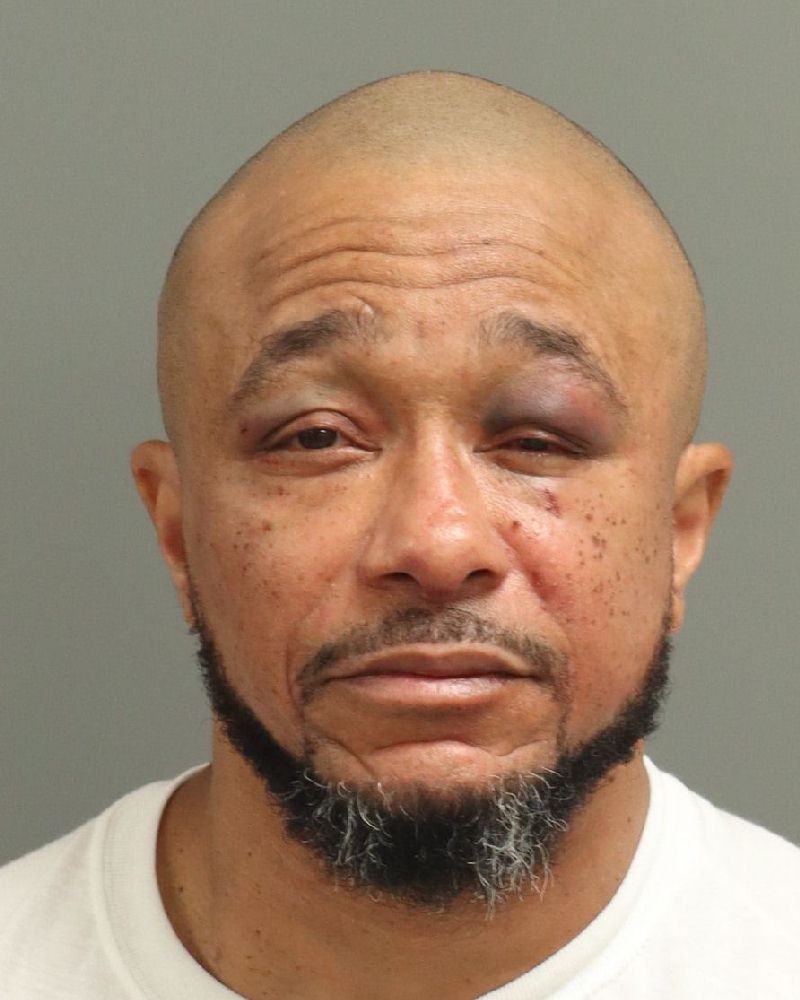
Clifton Dameon Cyrus
Wake, North Carolina
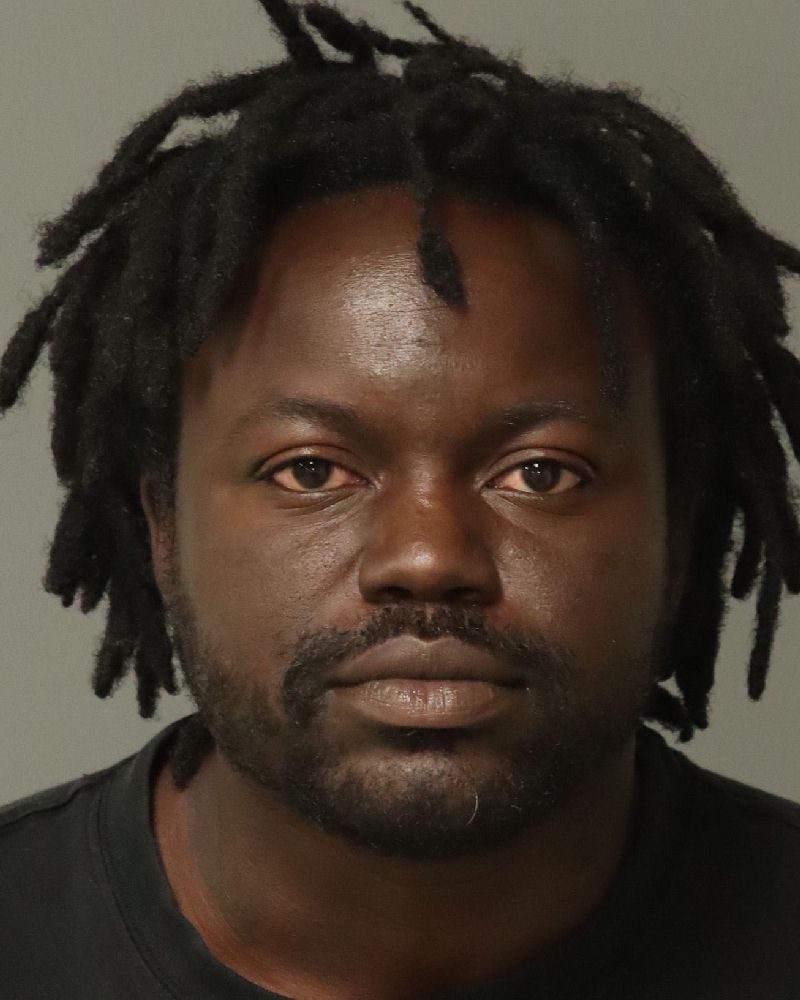
Randy Donnell Knight
Wake, North Carolina

Cindy Ee Farrior
Wake, North Carolina
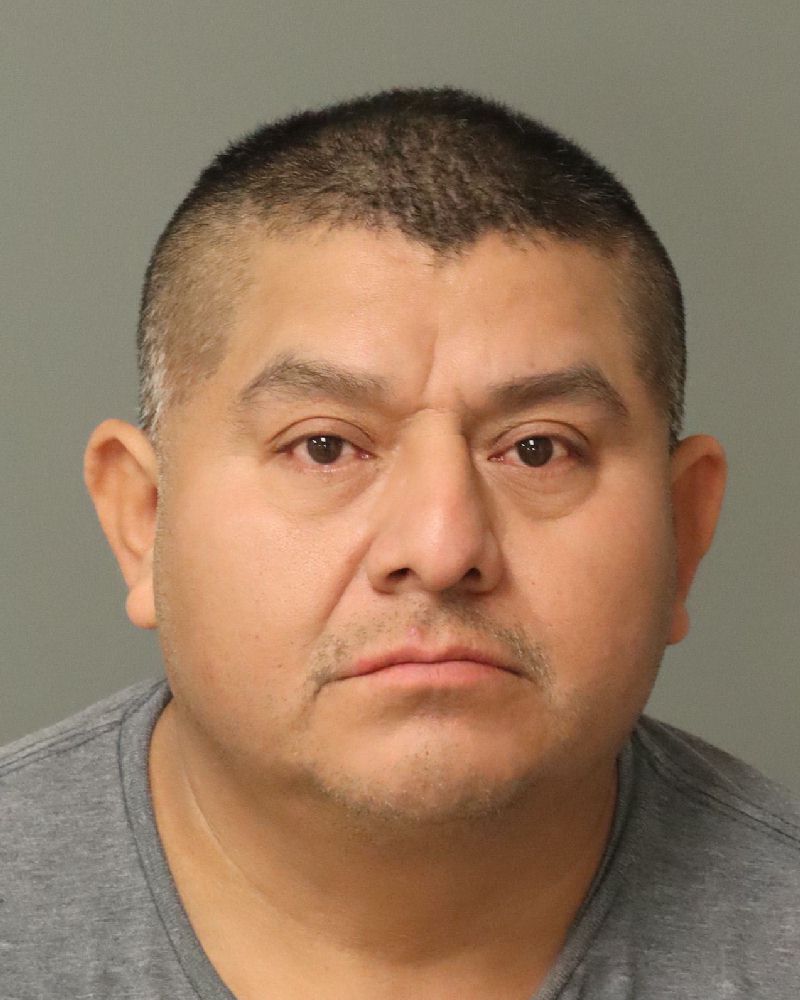
Daniel Alejandro Degalan
Wake, North Carolina
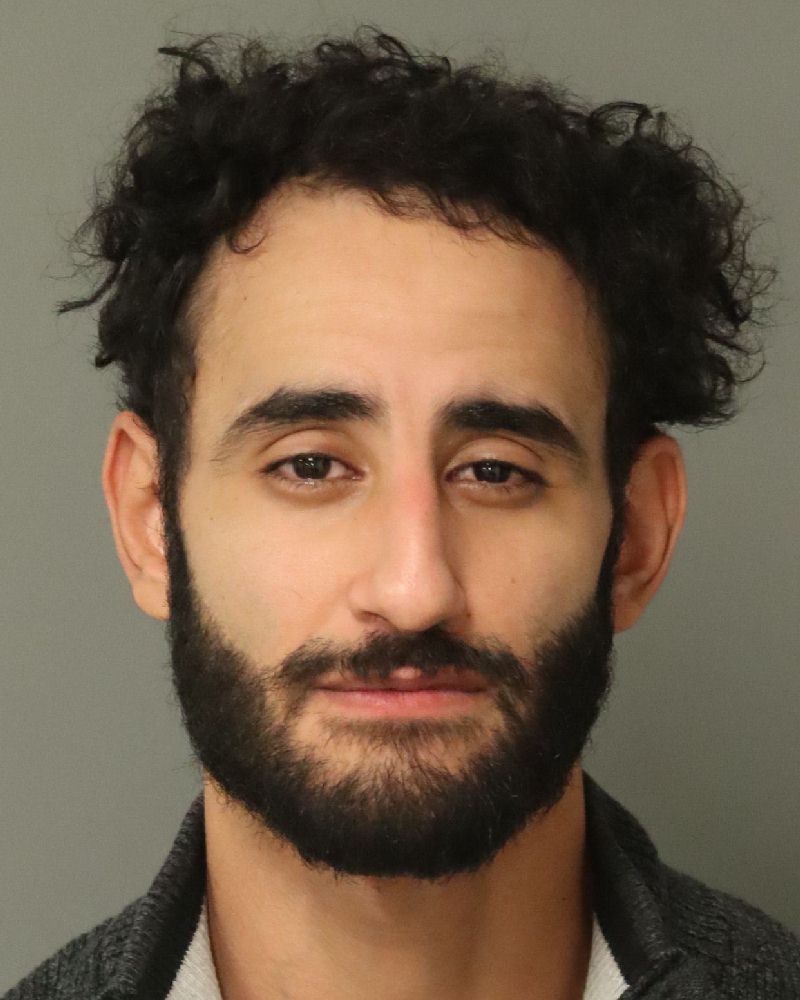
Mohamed Abdelhamid Barakat
Wake, North Carolina

Cristal Ramirez-garcia
Wake, North Carolina
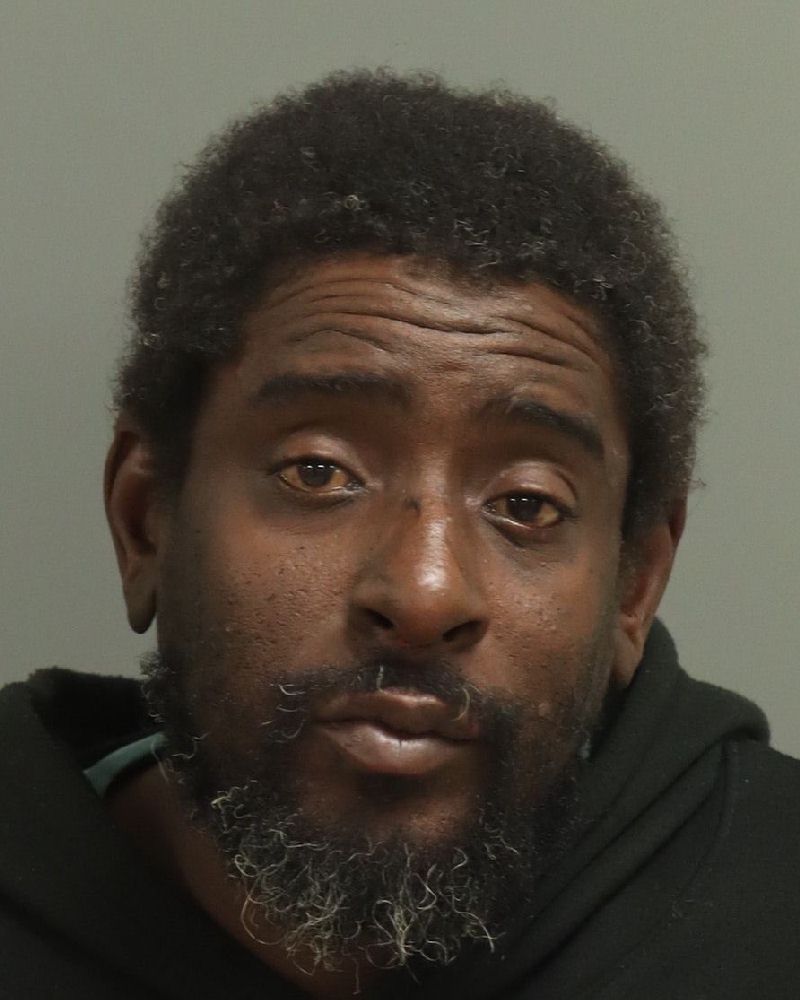
Jerry Vincent Peebles
Wake, North Carolina

Curtis Rashawn Cannon
Wake, North Carolina
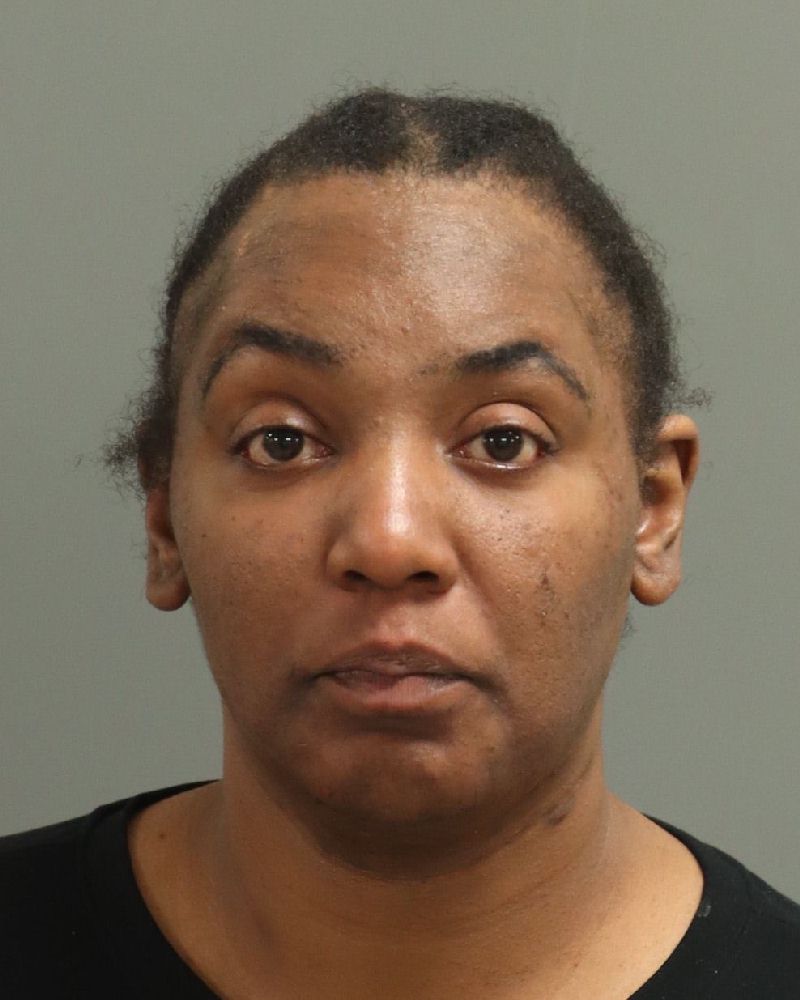
Shanice Daishell Williams
Wake, North Carolina
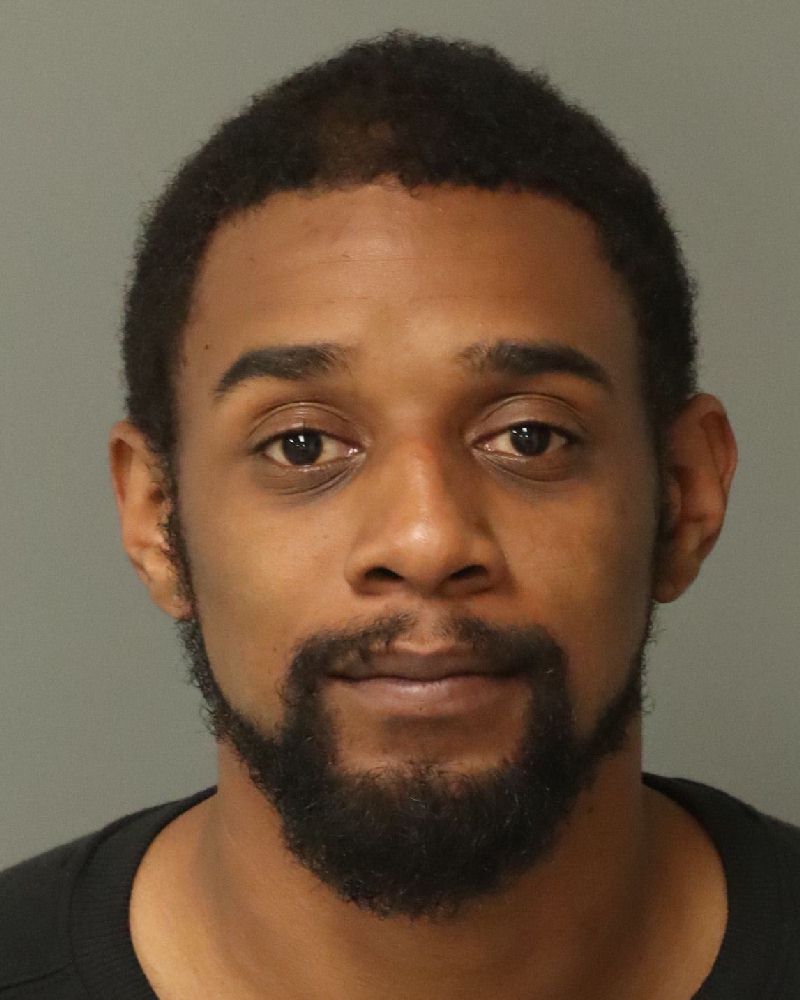
Antonio Rapheal Roundtree
Wake, North Carolina

Destiny Marie Barbar Hernandez
Wake, North Carolina

Laban Kiptoo
Wake, North Carolina
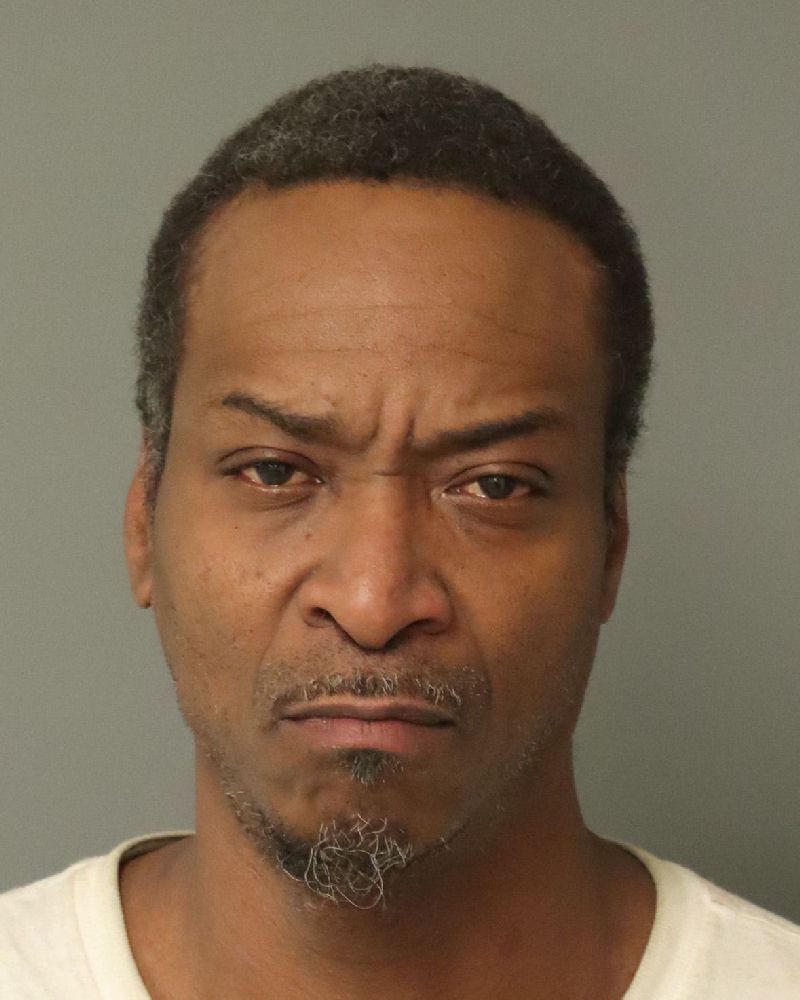
James Clayton Dowdy
Wake, North Carolina
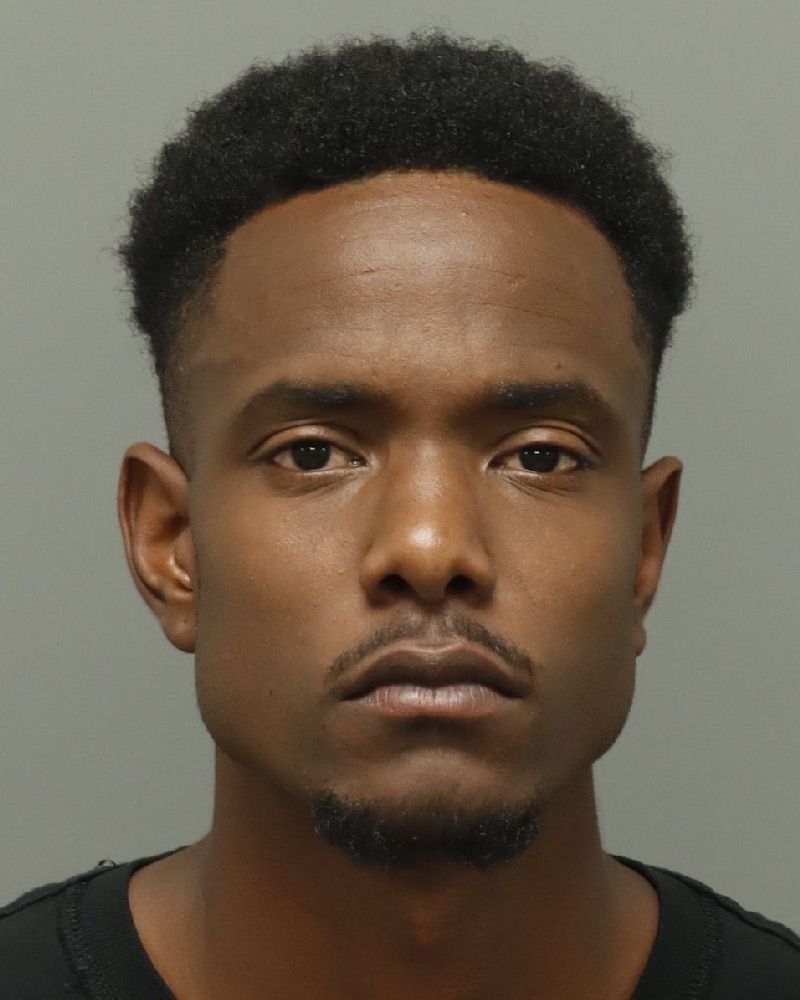
Jahkwan Shiheim Wright-lyles
Wake, North Carolina
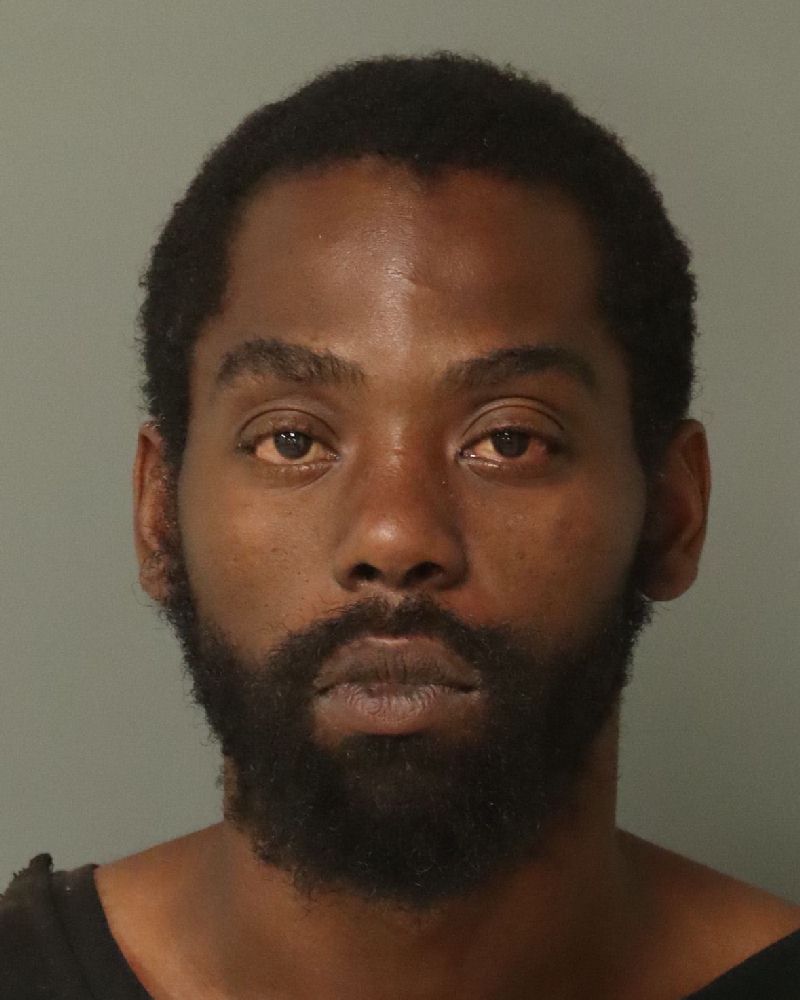
Kyamba Asabi Prince
Wake, North Carolina
North Carolina Mugshots & Public Arrest Records

North Carolina State Capitol in Raleigh — Greek Revival building completed in 1840, a National Historic Landmark
Jalexartis, Wikimedia Commons · CC BY-SA 4.0
North Carolina maintains strong public records access under its Public Records Law, allowing residents and the public to view arrest records across the state's 100 counties. With a population exceeding 10.7 million, the state processes a large volume of bookings through county detention facilities ranging from the Mecklenburg County Arrest Processing Center in Charlotte to small mountain jails in the western part of the state.
North Carolina's Public Records Law, codified at N.C. General Statutes § 132-1 et seq., establishes that all public records are the property of the people of North Carolina. The law defines public records broadly to include all documents, papers, letters, maps, books, photographs, films, sound recordings, and other documentary materials made or received pursuant to law or in connection with the transaction of public business. Booking photographs and arrest records fall squarely within this definition.
The law places an affirmative obligation on government agencies to provide access to public records. While certain exemptions exist—such as active criminal investigation files, attorney-client privileged communications, and sealed records—the general presumption strongly favors disclosure. North Carolina courts have consistently held that arrest records, including booking photographs, are public records subject to inspection and copying.
The Booking Process in North Carolina
North Carolina's 100 counties each operate their own detention facilities, and the booking process follows a generally consistent pattern across the state:
- Arrest and magistrate review — After arrest, the individual is brought before a magistrate who reviews the charges and sets bond conditions. This magistrate review is required by North Carolina law and typically occurs within hours of the arrest.
- Intake processing — The arrestee undergoes identity verification, fingerprinting, photographing, medical screening, and property inventory. Booking information is entered into the county's jail management system.
- State reporting — Arrest data is reported to the North Carolina State Bureau of Investigation (NCSBI), which maintains the state's centralized criminal history repository.
- First appearance — Defendants must appear before a district court judge within 96 hours of arrest for a formal advisement of charges and bond review.
How to Search North Carolina Arrest Records
There are several ways to access booking and arrest records in North Carolina:
- County jail rosters — Many North Carolina counties publish online inmate rosters with booking photographs, charges, and bond information. The largest counties update these rosters in near-real-time.
- NC Courts (eCourts) — The North Carolina Administrative Office of the Courts operates the eCourts portal, which provides free online access to criminal case information across all 100 counties.
- NCSBI Criminal History — The North Carolina State Bureau of Investigation offers name-based criminal record checks through its website. A public criminal history search costs $25.
- In-person requests — Any person may visit a county sheriff's office or clerk of court to request copies of arrest records under N.C.G.S. § 132-6. Agencies must respond as promptly as possible and may charge only a reasonable fee for copies.
Mugshot Removal and Expungement
North Carolina has taken steps to limit the commercial exploitation of mugshots. While the state does not have a specific mugshot removal statute targeting third-party websites, its expungement laws (N.C.G.S. § 15A-145 through § 15A-152) allow eligible individuals to petition for the expunction of criminal records. Eligibility depends on the offense type, disposition, and time elapsed. Once an expunction order is granted, all law enforcement and court agencies must destroy or delete the records in question.
North Carolina expanded its expungement eligibility significantly in recent years, including allowing expunction of certain nonviolent misdemeanor and felony convictions after specified waiting periods. The Second Chance Act of 2020 further broadened eligibility criteria.
Population and County Structure
North Carolina is the ninth most populous state in the nation with over 10.7 million residents distributed across 100 counties. The state has experienced rapid growth, particularly in the Charlotte metropolitan area (Mecklenburg County) and the Research Triangle region (Wake, Durham, and Orange counties). Wake County, home to the state capital Raleigh, recently surpassed Mecklenburg County as the most populous county in the state. Meanwhile, many rural counties in the eastern and western parts of the state have seen population declines.
Frequently Asked Questions
Sources & References
Data sourced from official government records, census data, and verified public sources.
Browse Other States
Explore mugshots and arrest records in other states