
Pinch or +/- to zoom
Click a highlighted county to view details
Recent Florida Mugshots
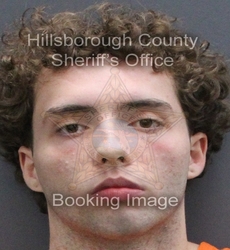
Joshua Pantalone
Hillsborough, Florida
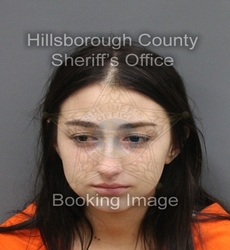
Claire Elizabeth Greenwood
Hillsborough, Florida
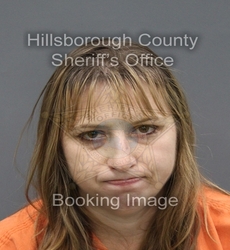
Amanda Michelle Nagy
Hillsborough, Florida
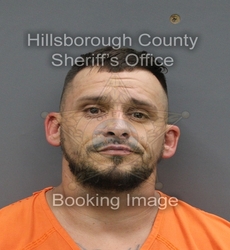
Matthew Ryan Taylor
Hillsborough, Florida
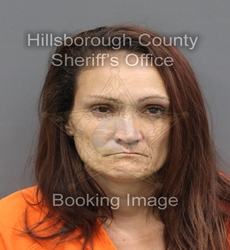
Jessica Paige Mccullum
Hillsborough, Florida
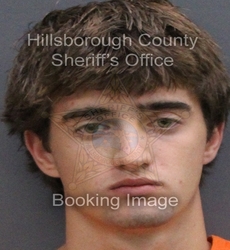
Kain Michael Farley
Hillsborough, Florida
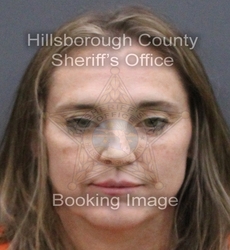
Janelle Colleen Dacus
Hillsborough, Florida
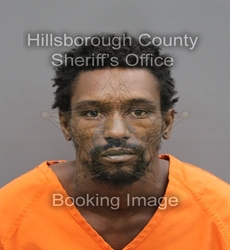
Joshua Jermaine Jalks
Hillsborough, Florida
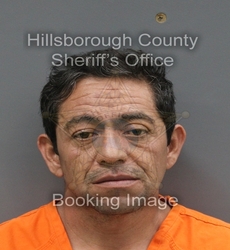
Jesus Isidro Zubia Cardenas
Hillsborough, Florida
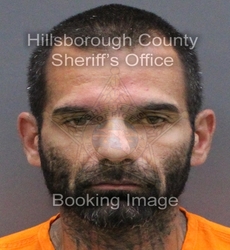
David Hajipour
Hillsborough, Florida
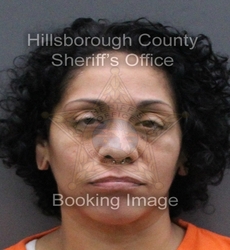
Krichelle Figuereo-palmer
Hillsborough, Florida

Nathan Jordan Richardson
Hillsborough, Florida
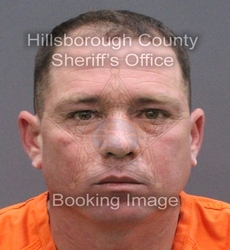
Yasiel Lago Chang
Hillsborough, Florida

Nyah Trent
Hillsborough, Florida
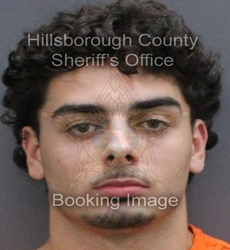
Giovani Antonio Delape
Hillsborough, Florida
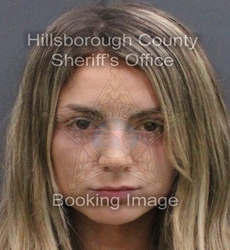
Sydney Alexas Dunn
Hillsborough, Florida
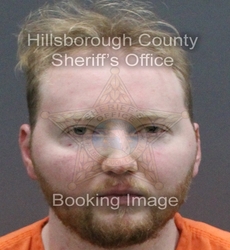
Hugh Cordova Williamson
Hillsborough, Florida
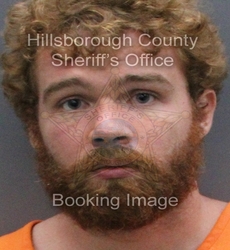
Alexander Charles Hines
Hillsborough, Florida
Cornelius Lorenzo Louder
Hillsborough, Florida
Carlos Titus Reyes
Hillsborough, Florida
Florida Mugshots & Public Arrest Records

Florida's Historic Capitol (foreground) and the 22-story New Capitol tower in Tallahassee
Urbantallahassee, Wikimedia Commons · CC BY-SA 3.0
Florida is widely regarded as one of the most transparent states in America when it comes to public records access. With a population exceeding 22.6 million spread across 67 counties, the state processes hundreds of thousands of bookings each year through county detention facilities ranging from Miami-Dade's massive Turner Guilford Knight Correctional Center to small rural jails in the panhandle.
Florida's Government-in-the-Sunshine Law, formally codified as Chapter 119 of the Florida Statutes, is one of the broadest and most permissive public records laws in the United States. Enacted in 1909 and significantly expanded over the decades, the law establishes a simple presumption: every record made or received by a public agency in the transaction of official business is a public record. That includes booking photographs, arrest reports, incident reports, and virtually every document generated during the arrest and detention process.
Unlike many states that provide exceptions or require a showing of legitimate interest, Florida's law places the burden on the government to justify withholding records—not on the citizen to justify requesting them. This is why Florida has earned the colloquial title of the “Sunshine State” not just for its weather but for the openness of its government records. The law has survived numerous legal challenges and remains one of the strongest public records frameworks in the country.
The Florida Booking Process
When someone is arrested in Florida, the booking process follows a standardized procedure across all 67 counties, though the scale and speed vary significantly based on the facility:
- Arrest and transport — The arresting officer transports the individual to the county detention facility. In large counties like Hillsborough or Broward, this may be a dedicated intake center separate from the main jail.
- Intake processing — Staff verify the arrestee's identity, conduct a thorough search, inventory personal property, and perform a medical screening. The booking photograph is taken during this phase.
- Record entry — Booking information is entered into the county's jail management system, which typically feeds into the state's centralized criminal justice information system maintained by the Florida Department of Law Enforcement (FDLE).
- Bond determination — For most offenses, a bond schedule determines the initial bail amount. First appearance hearings are typically held within 24 hours of arrest.
How to Search Florida Arrest Records
Florida offers multiple avenues for searching arrest and booking records:
- County jail rosters — Most of Florida's 67 counties maintain publicly accessible online jail rosters that display booking photographs, charges, bond amounts, and arrest dates. These are typically free and updated in near-real-time.
- FDLE Criminal History portal — The Florida Department of Law Enforcement operates an online portal at fdle.state.fl.us where anyone can request a name-based criminal history search for a fee of $24.
- Clerk of Court records — Each county's Clerk of Court maintains publicly searchable court case records. Many counties offer free online docket searches through their own portals or through centralized systems.
- In-person requests — Under Chapter 119, any person may visit a law enforcement agency, sheriff's office, or clerk's office and request copies of arrest records. Agencies must respond promptly, and custodial charges are limited to the actual cost of duplication.
Mugshot Removal and Expungement in Florida
Florida enacted legislation in 2018 (F.S. § 901.43) aimed at curbing the for-profit mugshot publication industry. The law requires websites that publish booking photographs to remove images within 10 days of receiving a written request accompanied by documentation showing that the charges were dropped, the person was acquitted, or the record was sealed or expunged. Failure to remove the image can result in a civil cause of action with damages of $1,000 per day.
For record sealing and expungement, Florida law (F.S. § 943.0585 and § 943.059) allows individuals who were not convicted to petition for expungement of their criminal history record. The process requires obtaining a Certificate of Eligibility from FDLE before filing a petition with the court. Once granted, all agencies in possession of the record must comply with the order.
Scale and Volume
Florida's criminal justice system is one of the largest in the nation. The state has the third-largest prison population in the United States, behind only Texas and California. At the county level, the combined capacity of Florida's 67 county jails exceeds 60,000 beds. Major booking facilities include the Turner Guilford Knight Correctional Center in Miami-Dade County, the Main Jail in Duval County (Jacksonville), the Falkenburg Road Jail in Hillsborough County (Tampa), and the Orange County Jail in Orlando—each of which processes thousands of bookings per month.
Florida's population growth, which has been among the fastest in the nation in recent years, continues to place increasing demands on county detention facilities. The state added an estimated 365,000 residents in 2024 alone, with the fastest growth concentrated in central and southwest Florida.
Frequently Asked Questions
Sources & References
Data sourced from official government records, census data, and verified public sources.
Browse Other States
Explore mugshots and arrest records in other states