
An arrest record is a public document. In most parts of the United States, when someone is arrested and booked, that information — including the booking photo — becomes part of the public record. Government agencies make these records available because transparency in the justice system matters.
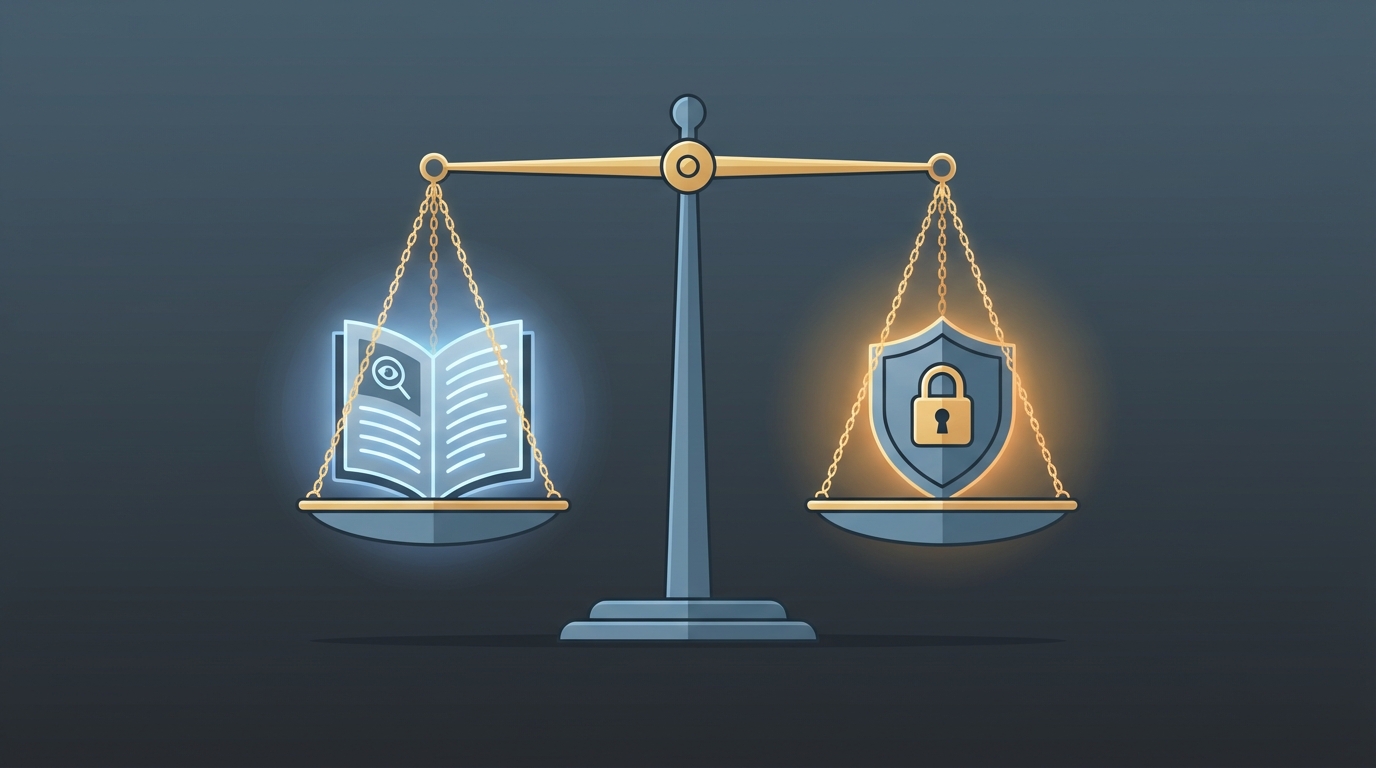
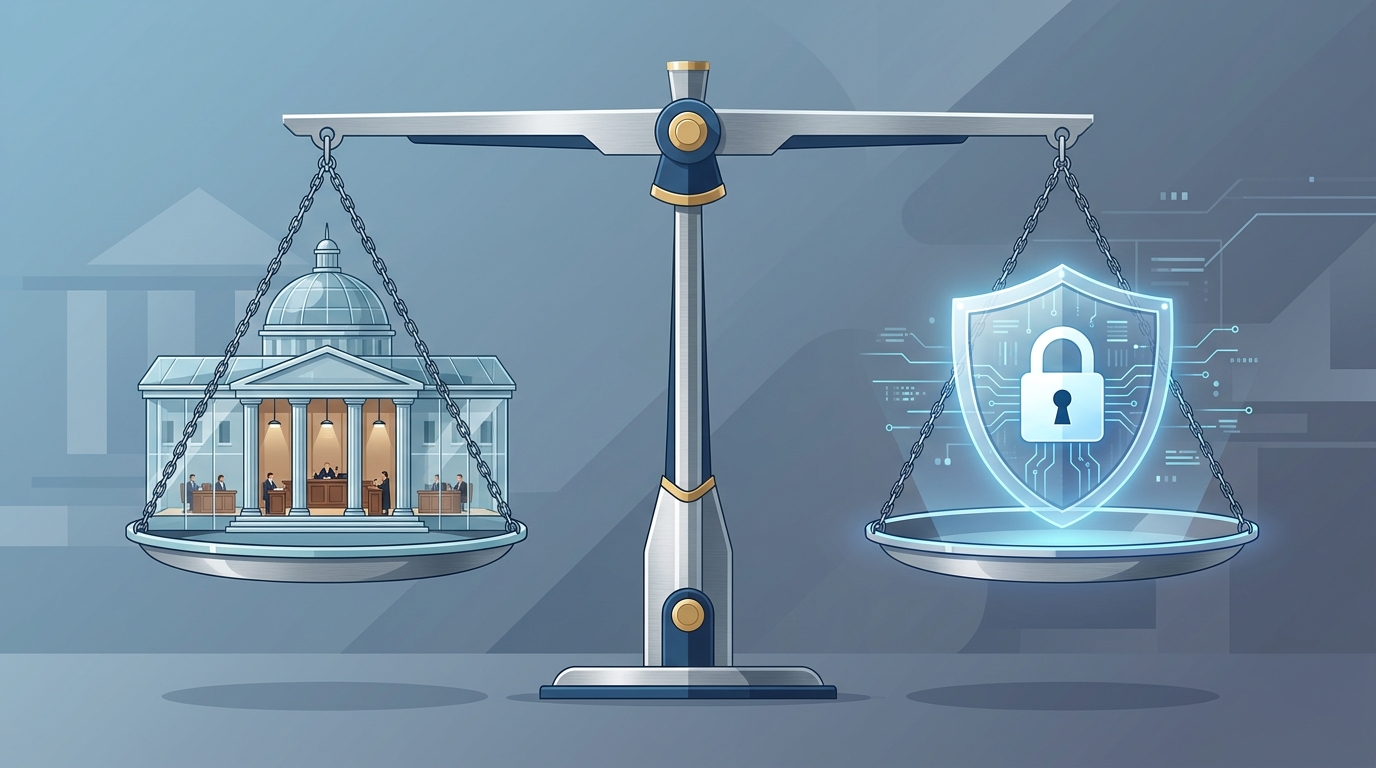
But there is a wide gap between making public records accessible and using those records to humiliate people. We know that gap exists, and we are deliberate about staying on the right side of it.
This article explains our approach: why we publish what we publish, how we protect people from abuse on our platform, and what we do when someone asks us to take their listing down.
An Arrest Is Not a Conviction
This is the foundation of everything we do. When a person's mugshot appears on our platform, it means they were arrested. It does not mean they were found guilty of anything.
People are arrested for all kinds of reasons. Sometimes charges are dropped within days. Sometimes cases are dismissed before they ever reach a courtroom. Sometimes people are found not guilty at trial. And sometimes the arrest itself turns out to be a mistake — wrong person, misidentification, a misunderstanding that gets sorted out quickly.
Every person featured on this platform is presumed innocent unless and until proven guilty in a court of law. We state this clearly in our disclaimer, and it informs how we present every listing. We don't editorialize about guilt. We don't add commentary suggesting someone did something wrong. We present the public record as it exists — name, date, location, charges — and leave it at that.
Public Record Access vs. Public Humiliation
There is an important difference between making public information accessible and weaponizing it against people. Consider the difference between a county clerk's office where anyone can look up arrest records, and a website designed to maximize embarrassment for clicks and revenue.
Public record access serves legitimate purposes. Journalists use it to investigate stories. Families check records for safety reasons. Communities stay informed about local law enforcement activity. Researchers study trends in the justice system. These are all valid reasons for public records to exist and be accessible.
Public humiliation serves no one. When a platform publishes mugshots with sensational headlines, creates "worst mugshot" galleries designed to mock people's appearances, or ranks people by how "funny" or "ugly" their booking photos look — that is not transparency. That is cruelty dressed up as entertainment.
We do not create "worst mugshot" lists. We do not write sensational headlines designed to attract clicks through mockery. We do not encourage users to laugh at or ridicule the people in our listings. Our editorial approach treats every listing as what it is: a public record of an arrest, not an invitation to pile on.
Why Some Mugshot Sites Are Exploitative
Over the past decade, a troubling business model emerged in the mugshot website industry. It works like this: a site publishes someone's booking photo, often making sure it ranks high in search engine results. Then, when that person contacts the site asking for the photo to be removed, the site charges them a fee — sometimes hundreds or even thousands of dollars.
This is pay-to-remove, and it is one of the most exploitative practices on the internet. It takes advantage of people at a vulnerable moment. Someone who was arrested — possibly for something minor, possibly for something they were never convicted of — finds their mugshot appearing at the top of Google when a potential employer, landlord, or date searches their name. The only way to make it go away is to pay.
Several states have passed laws restricting or banning this practice. Payment processors have cut off some of the worst offenders. But the model still exists in various forms across the internet.
We reject it entirely.
We Never Charge for Removal
If you want your mugshot removed from our platform, we will never ask you to pay for it. The process is free, and it always will be.
You can submit a removal request through our contact form or by emailing us at info@americastopmugshot.com. We review every request individually, typically within 24 to 48 business hours. If your record has been expunged, charges were dropped, you were found not guilty, or the information is inaccurate, we will update or remove the listing.
We believe that if someone has a legitimate reason to have their record removed from our platform, they should not have to pay for that. It is that simple. For a full walkthrough of the removal process, read our guide on how to remove or update a mugshot online.
Built-In Protections Against Abuse
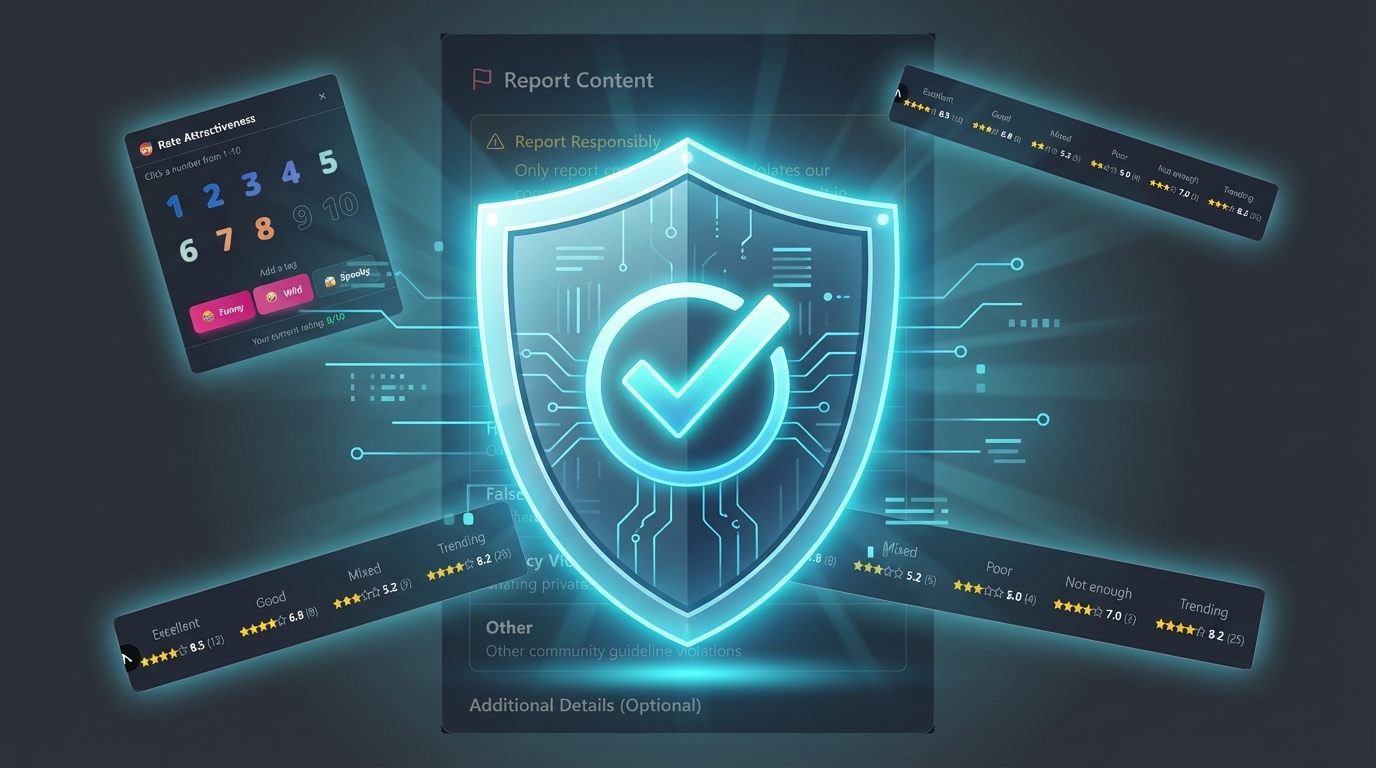
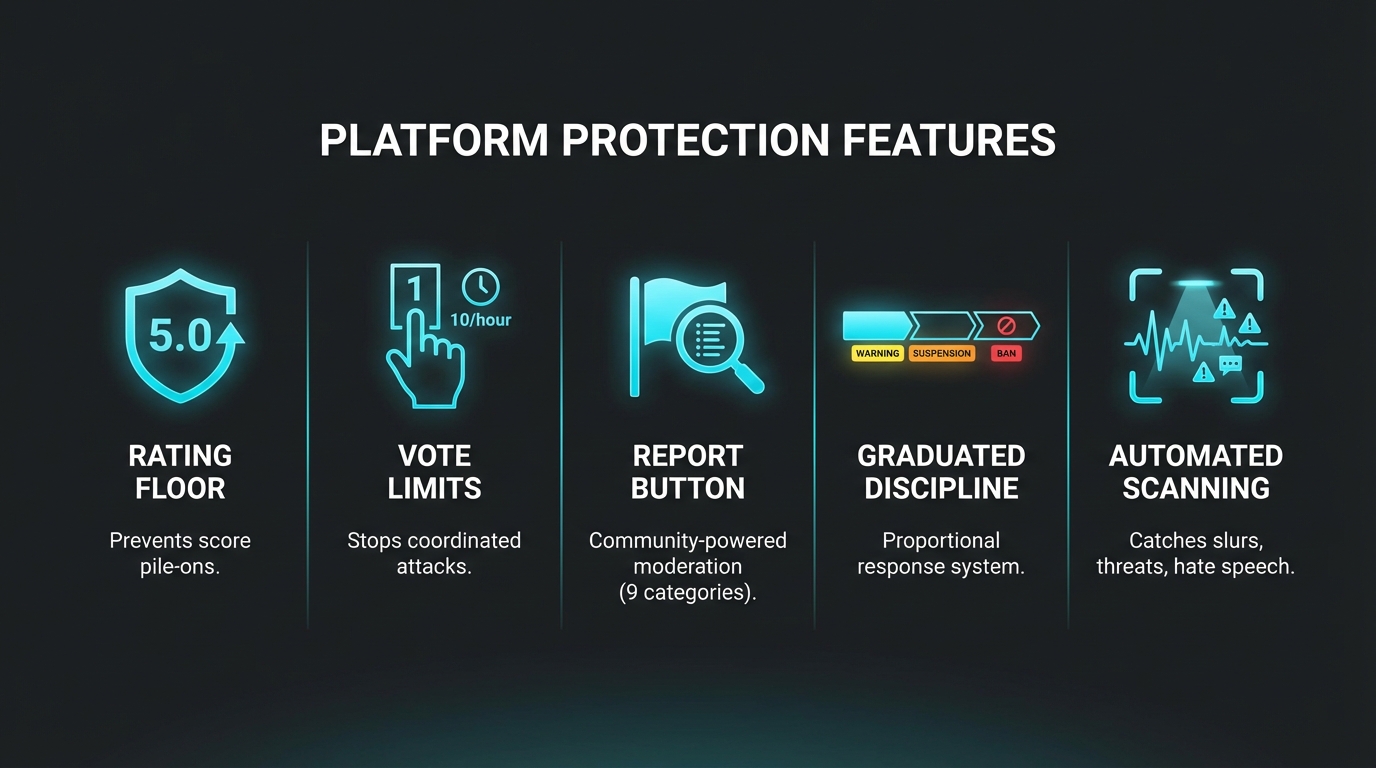
Publishing public records on an interactive platform comes with a responsibility: you have to make sure the platform itself does not become a tool for harassment. We have built several safeguards directly into how the site works.
Rating Floor at 5.0
Our platform allows users to rate mugshot listings. But we implemented a display floor of 5.0 — meaning that no matter how low individual ratings go, the displayed score never drops below 5.0. This prevents pile-ons where users deliberately tank someone's score as a form of harassment or bullying. The rating system exists for engagement, not for punishment.
One Vote Per Person, Rate Limited
Each user gets one vote per listing, and the system enforces a limit of 10 votes per hour across the platform. This prevents coordinated attacks where someone creates multiple accounts or rapidly cycles through listings to manipulate scores. It keeps the system fair and makes it much harder to abuse.
Report Button on Every Listing
Every mugshot listing includes a report button that any user can click. When you report content, you choose from nine categories that cover the most common issues:
- Harassment or bullying
- False or inaccurate information
- Inappropriate content
- Hate speech or discrimination
- Threats or intimidation
- Privacy violation
- Spam or misleading content
- Impersonation
- Other concerns
Every report is reviewed by our moderation team. We do not ignore reports or treat them as a low priority. If something on our platform is being used to hurt someone, we want to know about it.
Graduated Discipline
When a user violates our community standards, we follow a graduated discipline process: first a warning, then a suspension, then a permanent ban. This approach gives people a chance to correct their behavior while making clear that repeated violations will not be tolerated. Every moderation action is logged in an audit trail for accountability.
Automated Content Scanning
Our platform uses automated scanning to detect slurs, threats, and hate speech in user-generated content. This catches the most egregious violations before they ever become visible to other users. The automated system works alongside human moderation — it flags content for review and blocks the worst offenders immediately.
We Encourage Corrections and Removal Requests
We do not treat removal requests as a nuisance or an inconvenience. If something on our platform is wrong — a misspelled name, incorrect charges, a photo associated with the wrong person — we want to fix it. If someone's situation has changed — charges dropped, record expunged, case dismissed — we want to know.
Our correction request process is straightforward. You tell us what is wrong, you provide whatever documentation you have, and we look into it. We do not require people to jump through hoops, hire a lawyer, or navigate a deliberately confusing process.
Getting things right matters more to us than keeping a listing up.
Human Dignity Matters Even When Records Are Public
There is a tension at the heart of what we do. Public records exist for good reasons — accountability, transparency, public safety. But the people in those records are human beings with families, jobs, reputations, and futures.
We hold both of those truths at the same time. We believe the public has a right to access public records. We also believe that access should not come at the cost of someone's basic dignity.
That is why we do not sensationalize. We do not mock. We do not create content designed to make people feel bad about themselves or to entertain others at someone's expense. We present the facts as they exist in the public record, and we build protections into the platform to prevent others from using our site as a weapon.
If you have been affected by a listing on our platform and want to discuss your options, reach out to us. We read every message and respond to every request.
Our Commitment Going Forward
The landscape around mugshot databases is evolving. More states are passing laws about how booking photos can be published and what removal rights individuals have. Public expectations are shifting toward greater accountability for platforms that publish personal information.
We welcome that evolution. We are committed to adapting our practices as standards change, always erring on the side of protecting individuals while maintaining the public's right to access public records. Our goal is to be the kind of platform that people can trust — one that takes its responsibility seriously and treats every person in its database as a human being first.
For more on how we think about these issues, read our article on the ethics of public mugshot databases or learn about how we prevent defamation on our platform.